


Not having GA4 shouldn’t stop you from understanding how ChatGPT, Perplexity, Claude, and Copilot are sending users to your site. These models already link out. People already click. The traffic already lands somewhere.
You just can’t measure it the traditional way.
This guide shows you how to track LLM visibility without touching GA4. It’s built for agencies, consultants, and anyone stuck waiting for a client to find the login.
Your content is showing up in AI tools. You just need new ways to see the signals.
1. Track LLM Mentions With Brand Radar
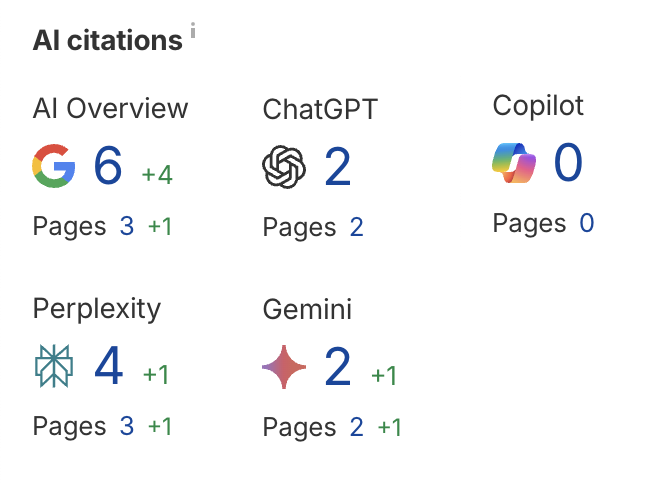
Ahrefs’ Brand Radar is the closest thing to an LLM visibility dashboard you can get. It surfaces when AI tools mention your brand or pull in your URLs.
Look for:
- Mentions in ChatGPT
- Sources in Perplexity or Claude
- Competitors appearing where you don’t
- Topics LLMs repeatedly associate with your brand
It won’t give you traffic numbers, but it will show visibility. And right now, visibility is the metric that matters.
2. Check Perplexity’s Source Lists
Perplexity is generous, letting you see exactly which URLs it pulled from. If your content appears in:
- Sources
- Related
- Suggested reads
…it means Perplexity trusts your content. It’s also a strong early indicator that other models may start surfacing you too.

3. Run Manual LLM Prompts
Old school testing still works, and it tells a very real story about user journeys.
Ask each model things like:
- “Who explains [topic] clearly?”
- “Best guides for [topic]”
- “Which websites should I read about [topic]?”
Look for:
- Your brand
- Your URLs
- Your article titles
- Competitors stealing the angle
If you appear here, you’re already part of the consideration set.

4. Track Social and Forum Chatter
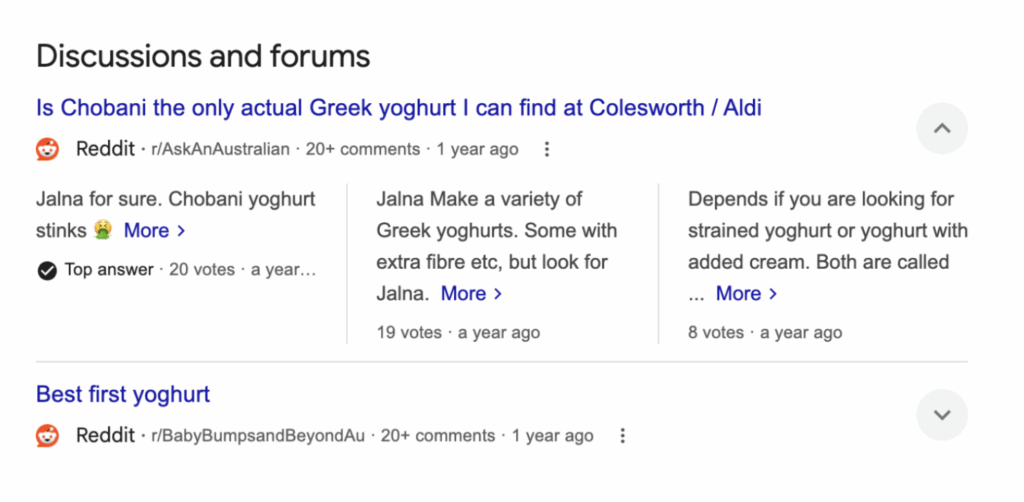
When LLMs surface content, people talk about it.
Visibility leaks.
Watch for:
- Reddit users quoting your guides
- Twitter/X threads linking your articles
- Niche forums referencing your explanations
- Users discussing your brand without a campaign behind it
Long-form content rarely spreads by accident.
If people are repeating your insights, the models probably are too.
5. Run Controlled Experiments
You can plant trackable breadcrumbs.
Create:
- Shortlinks
- Light UTM variations
- Trackable internal links
Add them to updated content.
If those links start getting hits, LLMs are surfacing your pages.
This is the closest thing we currently have to “LLM A/B testing.”
6. Build a Looker Studio Report That Tracks AI Style Queries
Google Search Console already shows you which queries behave like AI prompts. You just need a way to isolate them.
These modifiers often signal LLM-adjacent intent:
- how
- what
- why
- when
- where
- should
- examples
- tips
- vs
- Alternatives

The Exact Regex You Need
Paste this into Looker Studio as a Query filter:
how|what|why|when|where|should|examples|tips|vs|alternatives
How To Build It
- Connect GSC to Looker Studio
- Add Query, Landing Page, Clicks, Impressions, CTR
- Filter queries using the regex above
- Build a second table grouped by landing page
- Add a time series to track changes over time
This report shows where your site already aligns with conversational intent.
What You Learn
- Which pages attract natural language queries
- Which topics are being treated like AI-friendly content
- Which URLs are gaining impressions ahead of clicks
- Where you should focus future cluster expansion
Even without GA4, you now have a live view of how users and AI tools think.
Where To Go From Here
Once you start seeing LLM-driven patterns emerge:
- Strengthen the pages LLMs already pick up
- Expand the supporting content around them
- Add structured data for clarity
- Improve the hierarchy of long guides
- Build clusters around topics AI tools trust
This turns scattered signals into a strategy.
Where LLM Visibility Turns Into Strategy
You can track LLM visibility without GA4. Use Brand Radar, Perplexity sources, manual prompts, social chatter, trackable links, and a Looker Studio regex report to understand when AI tools surface your content — and where to focus next.
If you want help building the right visibility framework across search and AI platforms, get in touch. We can show you how to turn these signals into strategy.